


Chest pain can freak you out. The first thing you probably think is, “Is this my heart?” That’s normal. Everyone thinks that.
But sometimes, it’s not your heart at all. Most of the time, it’s just gas. Chest pain due to gas is a normal problem that usually happens when gas gets stuck in your stomach or intestines and puts pressure upward. That pressure can reach your chest and make it hurt. Sometimes it’s sharp. Sometimes tight. Sometimes heavy. Sometimes it even burns.
It usually shows up after eating. A heavy meal. Something oily. Something spicy. Or maybe you just ate too fast. It can be worse for you if you have chest pain due to gas and acidity. That burning, tight feeling can make you panic, but it’s often just digestion.
There are a few signs that tell you it’s gas and not your heart. The pain may go down after burping or passing gas. You might feel bloated or full at the same time. These are common chest pain due to gas symptoms. If you notice them, it can help you calm down and deal with the pain without freaking out.
Chest Pain Due To Gas Symptoms: How To Identify Them
Not all chest pain is the same. This is where most people get it wrong. They feel pain and immediately think it’s the heart. That usually isn’t the case.
Pressure Or Tightness In Chest
- Feels like something is sitting on your chest
- Comes after meals or when you’re bloated
- May change if you move or stretch
This is one of the most common chest pain due to gas symptoms
Sharp Or Stabbing Pain
- Comes and goes in waves
- Sometimes sudden, sometimes mild
- Often eases after burping or passing gas
Burning Sensation
- Happens when acidity is involved
- Feels like heartburn or reflux
- Can last longer than normal gas pain
This is why chest pain due to gas and acidity feels worse
Bloating And Fullness
- Stomach feels heavy or tight
- Pain in chest comes along with stomach discomfort
- Sometimes you notice burping or passing gas relieves it
After-Meal Discomfort
- Happens most after large, oily, or spicy meals
- Can be worse if you lie down immediately
- This is another clue it’s digestion, not the heart
Chest Pain Due To Gas And Acidity: Causes & Remedies
It’s easy to mix them up. Here’s a simple way to think about it:
|
Feature |
Gas Pain |
Heart Pain |
|
Type |
Sharp, tight, sometimes burning |
Heavy, squeezing, crushing |
|
Trigger |
Eating, bloating, posture |
Physical activity, stress |
|
Relief |
Burping, passing gas, moving |
Rest usually doesn’t help |
|
Other signs |
Bloating, fullness, acidity |
Shortness of breath, sweating, nausea |
If you’re unsure, always get checked. Heart issues need quick attention.
Why Chest Pain Happens: Common Triggers And Habits
Chest pain due to gas usually doesn’t start suddenly. It builds up. Something feels off in the stomach first, but people ignore it. Later, the pain shows up in the chest.
- Another common reason is eating habits. Eating fast. Not chewing properly. Drinking fizzy drinks. All of this adds more gas to the stomach. The chest pain feels scary, but the problem is still digestion.
- Acidity makes it worse. This is what people usually feel as chest pain due to gas and acidity, especially after meals or at night.
- Lying down after eating also causes trouble. Digestion slows down. Food stays longer in the stomach. Gas builds up. Chest discomfort follows.
Most people don’t realize it’s not one big cause. It’s small things adding up every day.
How To Reduce Chest Pain Due To Gas?
When chest pain due to gas starts, most people panic. But in many cases, small changes help more than medicines. The focus should be on easing digestion and releasing the gas.
A few simple things usually help.
- Sit upright and give your body some time
- Loosen tight clothes around the stomach
- Try slow, deep breathing
This helps reduce pressure and can calm chest pain due to gas.
Best Chest Pain Due To Gas Remedy Options For Quick Relief
If chest pain due to gas keeps happening, people just want something to settle their stomach and stop the gas. Not just for a few minutes, but so it doesn’t keep coming back.
Home-Level Remedies People Try
For mild pain, some simple things help.
- Warm water instead of cold drinks
- Light walking after meals
- Gentle heat on the stomach
These usually help release trapped gas and reduce pressure in the chest.
Medicines Used For Gas And Digestion
When lifestyle changes are not enough, people look for medicines that are easy on the stomach.
- Medicines that help reduce gas formation
- Medicines that support digestion
- Options that don’t irritate the stomach further
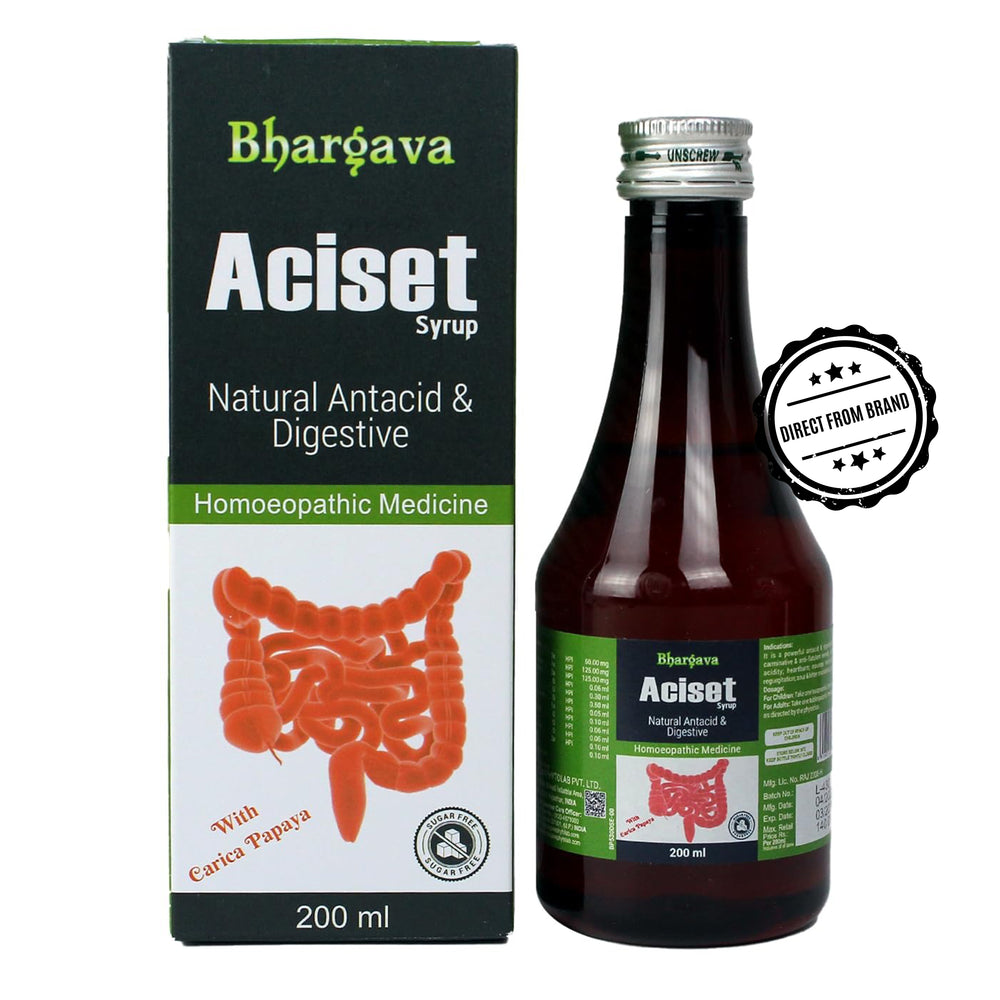
In homeopathy, remedies are often used for gas, bloating, and acidity. At Doctor Bhargava, medicines like Gas-Off Tablet and Gasin Minims are commonly used for digestive discomfort linked to gas. These are usually taken to help digestion improve over time, which can be useful when chest pain due to gas and acidity keeps returning.
These are not meant for sudden or severe chest pain. They are usually part of a routine when digestion is weak.
When Chest Pain Due To Gas Requires Medical Attention?
Most chest pain from gas is nothing serious. It comes, it goes. Sometimes it feels scary, but it usually passes. Still, sometimes it’s not just gas.
Here are some things to notice:
- Pain is very strong, heavy, or crushing. This is not normal gas pain.
- Pain spreads to the arm, jaw, or back. Or comes with sweating, dizziness, or trouble breathing.
- Pain doesn’t change even after burping or passing gas. Stays the same for hours.
These are signs it could be something else. Not always, but check.
Conclusion
Chest pain due to gas can feel scary. Most of the time it’s not serious. It comes because gas is trapped, digestion is slow, or acidity joins in.
Little things help. Eat slower. Eat less. Move a bit after food. Sit up. Skip oily or spicy stuff. Home remedies sometimes work. Pills like Gas-Off Tablet and Gasin Minims can help too.
Watch your body. If the pain is weird, really bad, or goes to your arm or jaw, get a doctor. If not, just make small changes and it usually passes.
FAQs
Q1: How to reduce chest pain due to gas?
Sit up, walk, or rub your belly. Don’t drink fizzy stuff or eat heavy meals.
Q2: How to remove trapped gas in the chest?
Change position, lie on your side, pull knees to chest. Walk or drink something warm.
Q3: Chest pain due to gas treatment?
Avoid beans, cabbage, and soda. Move around, stretch, or take gas medicine.
Q4: How to relieve gas while pregnant?
Eat small meals, walk a bit, avoid gas foods. Check with your doctor before taking medicine.
Q5: How to relieve gas pain in the chest immediately?
Sit up, pull knees to chest, walk, rub your belly. Warm water or tea can help.


